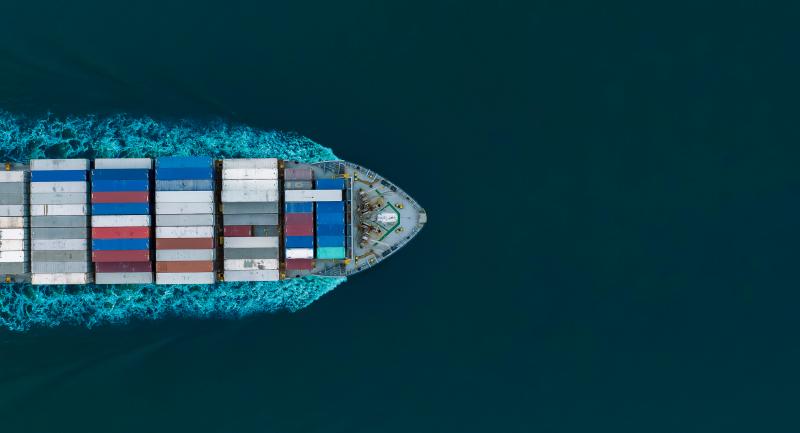
Guadeloupe, a French overseas region in the Caribbean, is an archipelago of six islands with around 378 000 residents. Unlike mainland France, almost all its fuel must be shipped in a costly and carbon-intensive lifeline. Imported fossil fuels make up for 71% of the island's energy use and generate 57% of their CO₂ emissions, mostly from transport.
This dependence raises costs for households and leaves the island exposed to market shocks and climate risks. To change course, the regional authorities are developing a roadmap under the Multiannual Energy Programme to cut emissions, strengthen energy security and build resiliency for the future.

A green hydrogen future
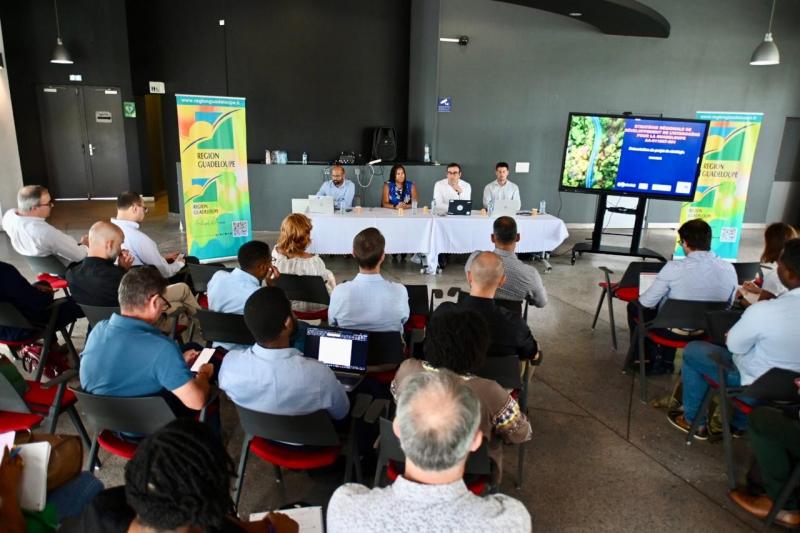
"Within the next ten years, we envision a Guadeloupe where public and maritime transport is largely decarbonised, where green hydrogen is produced locally and integrated into an intelligent energy network, and where citizens directly benefit from the outcomes of the transition," says Sylvie Vanoukia, regional councillor and President of Guadeloupe’s Energy Commission.
That vision is shaping the region’s plan to become self-sufficient. Guadalupe is working with EIB Advisory to test whether a shift to green hydrogen transition is viable and define a plan to make it happen.
"Within the next ten years, we envision a Guadeloupe where public and maritime transport is largely decarbonised, where green hydrogen is produced locally and integrated into an intelligent energy network, and where citizens directly benefit from the outcomes of the transition."

Sylvie Vanoukia
Regional councillor and President of Guadeloupe’s Energy Commission
Why hydrogen matters
Hydrogen can store and deliver clean energy where it is needed most. When produced from renewable electricity through electrolysis, it becomes green hydrogen – a fuel with almost zero greenhouse gas emissions. For Guadeloupe, an archipelago with little available land and heavy reliance on imported fossil fuels, green hydrogen offers a way to power heavy vehicles and ships while making better use of its growing renewable resources.
"Green hydrogen provides a complementary, strategic solution that can be produced locally from renewable sources."
Ludovic Osmar
Energy Transition Project Manager for the Guadeloupe Region
"The transport sector remains our biggest challenge," says Ludovic Osmar, Energy Transition Project Manager for the Guadeloupe Region. "While electrification works well for light mobility, it is less suited to buses, logistics or maritime transport, which need fast refuelling and long autonomy. Green hydrogen provides a complementary, strategic solution that can be produced locally from renewable sources."
Financed by the InvestEU Advisory Hub, the study analysed every aspect of a green hydrogen chain – from production, storage, and distribution, to training and skills. It found that Guadeloupe is already making steady progress in the energy transition, producing 179 megawatts per year from wind, solar and biomass. The region aims to achieve a 100% renewable electric energy mix by 2028.
However, the study points out that local expertise in hydrogen technologies remains limited. To prepare for future needs, EIB Advisory invited the University of the Antilles to identify the training programmes that could equip a new generation of engineers, technicians, and operators.
According to a 2018 study by the French Agency for Energy Transition, the shift to green energy in Guadeloupe could create up to 2 000 jobs by 2030.
A roadmap in three phases
The new hydrogen strategy sets out a three-phase path for the next two decades. The first phase, running until 2030, focuses on pilot projects for heavy mobility – such as buses, logistics and waste collection – to show that hydrogen can work both technically and economically.
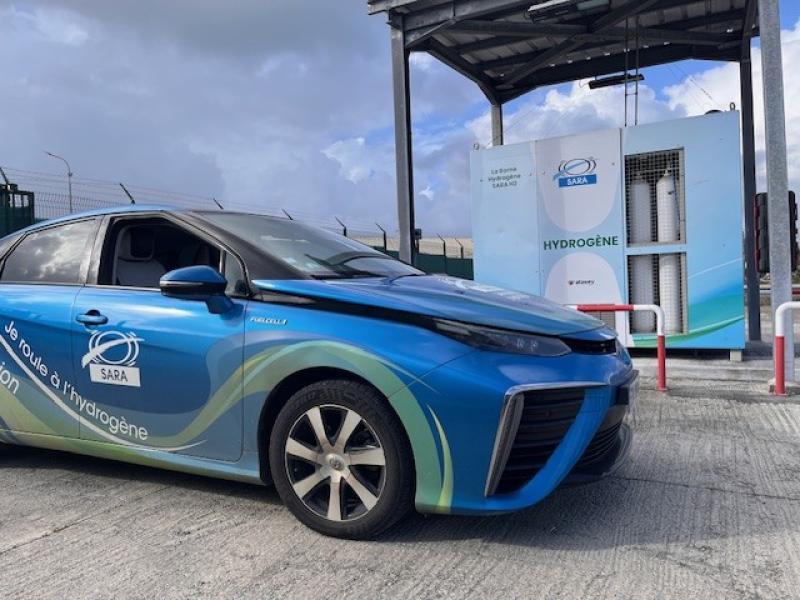
This feasibility is already being tested. At the Société Anonyme de la Raffinerie des Antilles, project engineer Joris Gerfaut has spent the past two years proving that hydrogen mobility can work in practice.
“It’s technically possible to produce hydrogen locally and use it for transport,” he says. “Refuelling a hydrogen car is just like filling up with petrol – no change of habits required.” His daily drives in a hydrogen-powered car show that the region’s future transport could look like cleaner and innovative.
Around 2035, the second phase, will build on these first results, expanding hydrogen use to maritime transport and developing the first local unit to produce synthetic methanol “made in Guadeloupe.”
Beyond 2035, the final phase foresees a fully developed regional chain for producing, storing, and distributing locally produced green hydrogen and its related fuels.
"This strategic direction, shaped through close collaboration between EIB Advisory experts and local stakeholders ensures a balance between technological ambition, operational feasibility, and local financial capacity."
Ludovic Osmar
Energy Transition Project Manager for the Guadeloupe Region
From small island to regional model
"Green hydrogen is not just an energy source, it's a symbol of our ability to innovate for sustainable development," says Vanoukia, "Our goal is a Guadeloupe that is resilient, autonomous and prosperous, where clean mobility, renewable energy and local expertise come together for our territory to take control of its energy future."
The study's findings also suggest that Guadeloupe could one day become a renewable energy hub for the Antilles, working alongside Martinique and inspiring other Caribbean islands to follow the same path. "Guadeloupe's green hydrogen strategy marks a bold step toward energy independence – and a powerful example of how small islands can lead the way in the global transition to clean energy," says Karen Cannenterre, the EIB Advisory expert who worked on this project. “With support from EIB Advisory, the archipelago is turning this vision into a concrete roadmap for a resilient, low-carbon future.”
From reliance to resilience, Guadeloupe's journey shows how even the smallest territories can lead the way towards a cleaner, more independent future.