Search menu EIAH Logo

Affordable homes in Portugal

18 February 2026

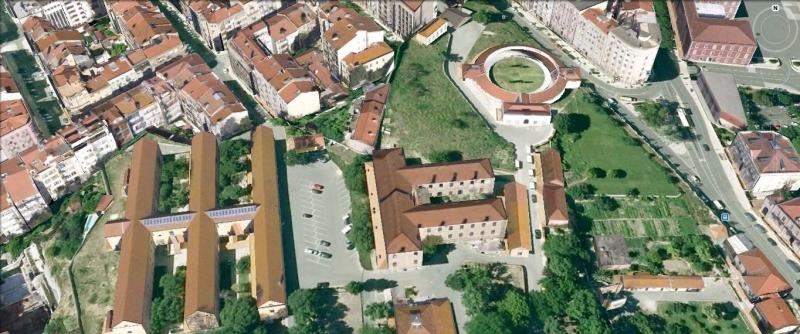
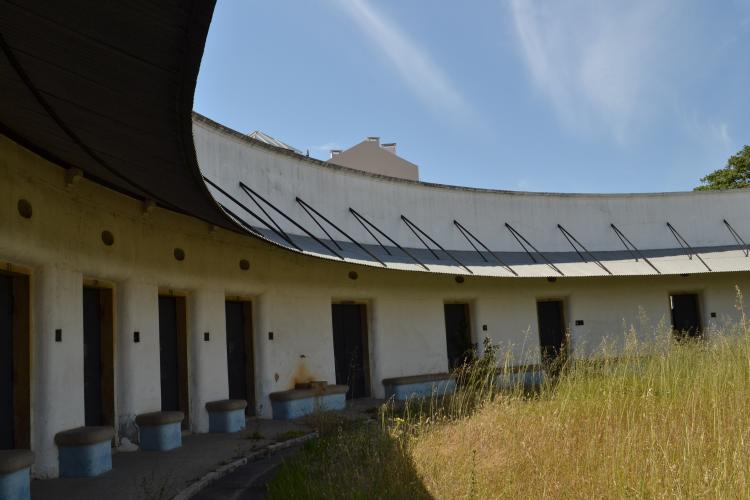
In the heart of Lisbon, the former Miguel Bombarda Hospital has stood empty since it closed in 2012. Once a convent and later a psychiatric hospital, the building is part of Portugal’s national heritage. The building and grounds have great potential, and will be converted for housing, social services, and welcoming shared spaces for community life and social interaction. Under a new national strategy, the site will be transformed into a vibrant neighbourhood, creating more than 300 homes in one of Lisbon’s most central areas.

“The new housing units are expected to meet all the required energy efficiency and comfort standards,” says José Luis Cunha, Advisor in the Cabinet of the State Secretary for Housing. “The construction quality will be high, with urban and architectural design standards well integrated into the surrounding urban context.”
The project is one example of how Portugal plans to respond to its housing crisis: by making better use of public land, working with private partners and finding new ways to deliver homes that people can afford.

EIB Advisory is helping the Portuguese government design an innovative public-private model to support this approach.

>@EIB
©EIB

A pressing issue

Housing has become one of Portugal’s most visible social challenges. Almost a third of the population struggles to find a home they can afford, as incomes lag behind rising rents and house prices. 
According to the OECD, over the past 15 years house prices in Portugal have more than doubled, and rents have increased by close to 50%. The pressure is strongest in Lisbon, Porto and popular coastal areas such as the Algarve, where prices are well above the national average. 
By 2023, public frustration had grown into protest. Demonstrations took place in Lisbon, Porto and other cities, with people calling on the government to act and asking why empty buildings and unused land could not be turned into homes. 


An innovative approach

In 2024 the Portuguese government introduced Construir Portugal, a national strategy to increase the supply of affordable housing. The focus is on bringing vacant public land and empty public buildings back into use, creating modern and energy-efficient homes.

Private investment is a key part of the plan. “The mobilisation of private investments to complement public efforts is central to the strategy,” says Cunha. “It is essential to address the housing crisis through developers and investors, whether in private housing projects or public-private concession models.”

Today, publicly owned housing makes up less than 3% of Portugal’s total housing stock. It is used for social housing and does not cover the needs of middle-income households, one of the groups most affected by rising housing costs.

To put the strategy into practice, the Portuguese Ministry of Infrastructure and Housing asked EIB Advisory to help design a new concession model, combining “renovate-to-rent" and “build-to-rent" approaches. Under this model, private companies renovate or build homes on public land or in unused public buildings. In return, they recover their investment through rental income, while keeping rents affordable.

From plans to homes

EIB Advisory worked closely with government teams, drawing on experience from similar projects across Europe. The goal was to help shape a model that combines the technical, legal, financial and social aspects of the strategy while remaining attractive to the private sector.  
“There are plenty of ways to approach public-private partnerships, and it can be difficult to navigate them," says Fernando Crespo Diu, EIB financial advisor and expert in public-private partnerships. “The objective of our workshops was to help the Portuguese government find the best fit to address housing affordability challenges, building on our long-standing expertise.”
The work included a detailed review of the risks, a clear division of responsibilities and measures to protect public and private counterparts.
The Portuguese government has now approved the first tender phase, expected to take place in 2026. It will cover several sites across the country and is expected to deliver around 5 000 affordable homes.   
The homes are intended for middle- and lower-middle-income households, with rents linked to income levels to help keep them affordable over time.

>@EIB
©EIB